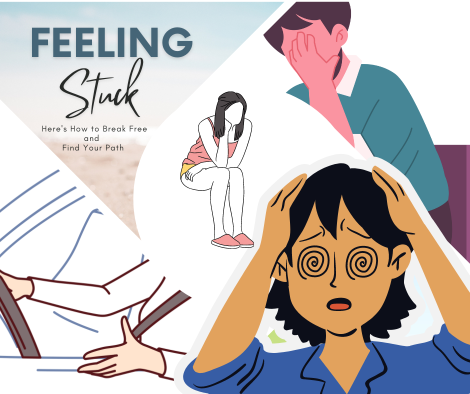
Have you ever felt emotionally drained without fully understanding why? Or found yourself feeling agitated, restless, or anxious, even when nothing major seems to be happening around you? The answer lies in the quality of your mental chatter—the constant stream of thoughts running through your mind.
The Link Between Mental Chatter and Emotional Well-Being
The quality of our mental chatter is directly proportional to the quality of our emotional well-being. Throughout the day, we process an overwhelming number of external stimuli, but not all thoughts hold equal weight. Some fleeting ideas come and go, while others take up disproportionate space in our minds, especially when they are tied to strong emotions.
Think about it—when something bothers you, your mind loops through a series of thoughts:
- Replaying conversations—”Why did they say that to me?”
- Anticipating consequences—”What will happen if things go wrong?”
- Worrying about perceptions—”What will people think about this?”
- Avoiding discomfort—”How can I escape or prevent this from happening again?”
This repetitive cycle of thoughts often fuels stress, anxiety, and emotional turbulence. In fact, when someone tells you, “You seem stressed,” and you deny it, what they actually mean is that your mind is preoccupied with a dominant concern that’s affecting your energy and presence.
Breaking the Cycle: Becoming Mindful of Your Mental Chatter
If you want to improve your emotional well-being, the first step is to become mindful of your mental chatter. You cannot change what you are unaware of.
Step 1: Observe Your Mental Chatter
Pause several times throughout the day and ask yourself:
- What am I thinking about right now?
- Is this thought helping me or weighing me down?
- Am I present in this moment, or am I lost in my worries?
A great way to stay aware is to write the words “Mental Chatter” somewhere visible—on your phone’s screensaver, in your diary, or even on a sticky note in your wallet. Each time you see it, take a moment to check in with your thoughts.
Step 2: Shift to Positive Mental Chatter
Once you recognize the pattern of your thoughts, the next step is to consciously shift them. The goal is not to suppress thoughts but to redirect them. Here’s how:
- Replace worry with appreciation—Instead of focusing on what could go wrong, acknowledge what is going well.
- Use affirmations—Remind yourself, “I am capable,” “I have handled challenges before,” or “This too shall pass.”
- Practice gratitude—Even in stressful moments, find one thing to be grateful for. Gratitude rewires your brain for positivity.
Step 3: Slow Down and Reconnect with the Present
Overthinking often takes us away from the present moment. To regain control:
- Take deep breaths and center yourself.
- Engage in activities that require full presence—such as journaling, walking, or mindfulness exercises.
- Ask yourself, “What is the most constructive action I can take right now?”
Final Thoughts: Mental Chatter Shapes Your Life
Your thoughts are not just background noise; they actively shape your emotions, decisions, and overall well-being. When your mental chatter is filled with fear, doubt, or stress, it drains your energy. But when you consciously fill it with gratitude, affirmation, and appreciation, you create a space for emotional stability and happiness.
So, take charge of your mental chatter today—because mastering your mind is the first step to mastering your life.