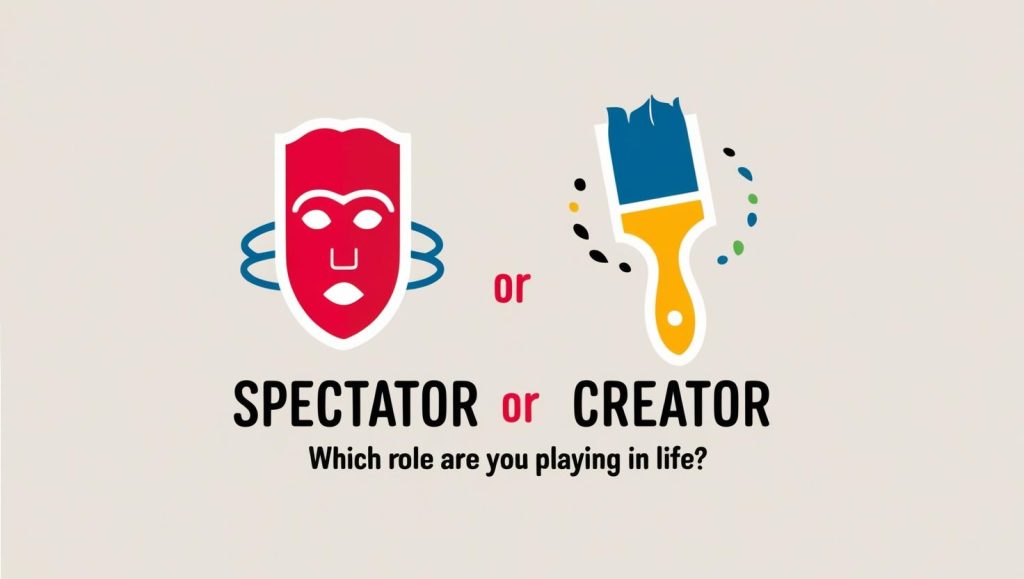
Life often feels like a series of highs and lows, pulling us in different directions. Some of us find ourselves sitting on the sidelines, watching events unfold, while others dive into the thick of it, trying to shape the future. These roles—the spectator and the creator—are not just philosophical concepts but deeply embedded in the way we live, work, and grow.
At Lighten Life, I often hear stories of people excelling in their careers yet feeling powerless in their personal lives. It’s common to compartmentalize our roles: being creators at work and spectators at home. But why does this happen? And how can we embrace both roles to create a balanced and fulfilling life?
Let’s explore the key differences between these two mindsets and understand how we can consciously navigate them.
The Spectator: Watching Life Happen
The spectator mindset is a passive approach to life. As spectators, we often observe events as they happen, letting emotions like frustration, blame, or resignation take over. While this role may provide temporary relief—removing the burden of responsibility—it often leaves us feeling stuck.
Spectatorship manifests in subtle ways:
- Blaming others or circumstances for challenges.
- Focusing on problems rather than solutions.
- Staying within the comfort zone, avoiding risks or change.
For example, in relationships, a spectator may think, “It’s not my fault things are falling apart; it’s just the way life is.” At work, they might say, “The system is broken; what can I do?”
This mindset isn’t inherently bad—it offers a pause, a moment to gather thoughts. But living entirely as a spectator means relinquishing control over what could be.
The Creator: Shaping the Future
The creator mindset is the antithesis of spectatorship. Creators take ownership, actively shaping their circumstances and outcomes. They align their emotions and desires with actionable steps, empowering themselves to bring about change.
Creators embody these traits:
- Accepting responsibility for their actions and decisions.
- Seeking solutions rather than dwelling on problems.
- Taking calculated risks to step out of their comfort zone.
A creator in a relationship might say, “What can I do to improve our connection?” At work, they ask, “How can I make this system better?”
However, being a creator isn’t without challenges. Creators often carry the weight of over-responsibility, which can lead to burnout or frustration if results don’t align with expectations.
Why We Compartmentalize Roles
Interestingly, many of us are creators at work but spectators in personal life. This compartmentalization happens because professional environments provide structure—goals, deadlines, and rewards—which drive us to take action.
In personal life, the boundaries are often blurred. Emotions, vulnerabilities, and a lack of clear direction make it easier to adopt a spectator role. The result? We excel in one area of life but feel powerless in others.
Breaking Free: Embracing Both Roles
To lead a fulfilling life, it’s essential to embrace the creator role where it matters most—your personal growth. This doesn’t mean you have to take charge of everything or bring about revolutions. It’s about aligning your desires with your actions and taking responsibility for the choices you make.
Recognizing Your Role
To identify whether you’re a spectator or a creator in any given situation, ask yourself:
- Am I reacting emotionally, or am I responding thoughtfully?
- Am I focusing on problems, or am I seeking solutions?
- Am I blaming others, or am I taking responsibility?
These questions can help you reflect on whether you’re passively watching life unfold or actively shaping it.
Steps to Transition into a Creator
- Start Small: Identify one area of personal life—health, relationships, or a hobby—where you can take proactive steps.
- Align Emotions and Actions: Reflect on what you truly desire and adjust your behavior to match those goals.
- Apply Work Strategies at Home: Use the skills that make you a creator at work—planning, goal-setting, and accountability—in your personal life.
- Seek Balance: Remember, being a creator doesn’t mean controlling everything. Share responsibilities and acknowledge what’s beyond your control.
Be the Spectator and the Creator
Life doesn’t have to be a rigid choice between the roles of spectator and creator. In fact, both have their place. Spectatorship allows us to pause, reflect, and gain perspective, while the creator mindset empowers us to act, build, and transform.
The key is to strike a balance. Recognize when you’re slipping into the comfort of spectatorship and consciously choose to step into the creator role where it truly matters.
As you navigate life’s complexities, ask yourself: “Am I passively watching, or am I actively shaping my story?” The answer can transform not just your outlook but the very fabric of your life.
At Lighten Life, I guide you through this journey of personal and organizational growth. Start small, stay consistent, and take charge—because your best life begins when you choose to create it.